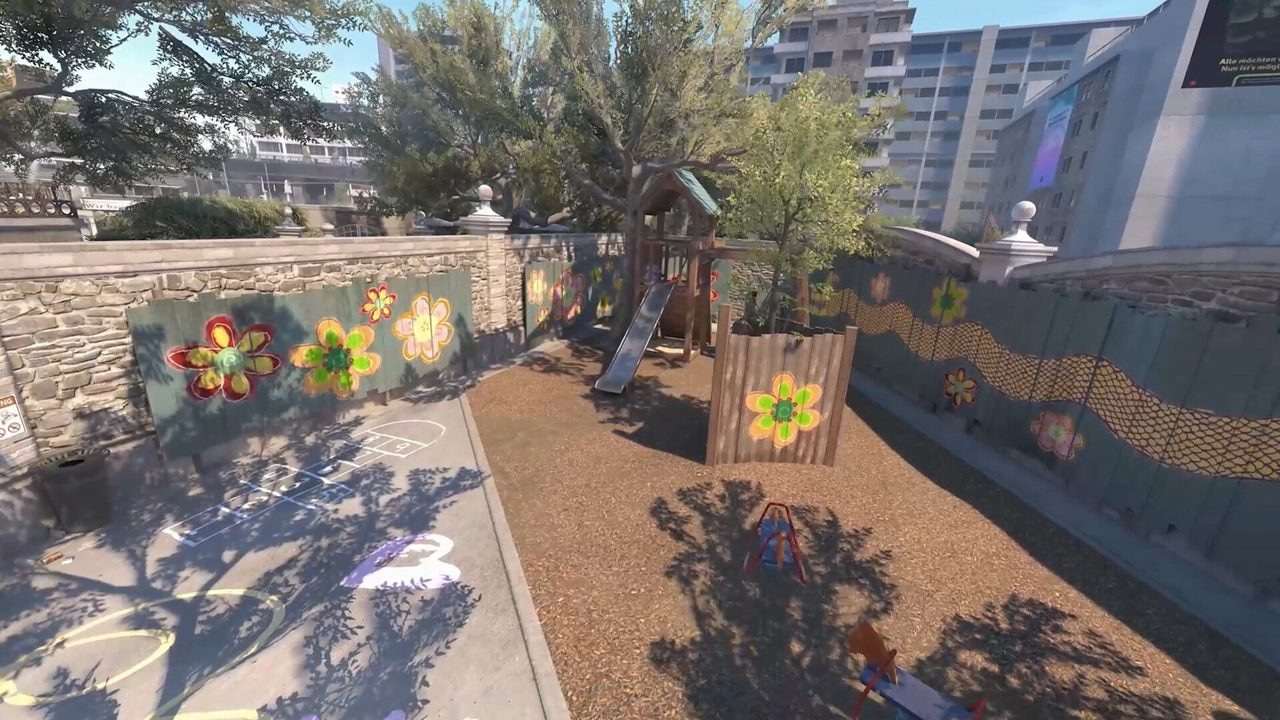
Valve rotates the Active Duty map pool on a seasonal cadence tied to Majors and Counter-Strike 2 competitive updates. When Ancient enters or Train leaves, Premier veto does not wait for you to notice — your next queue lands on a map you never rehearsed, and rating drops before aim ever gets tested.
This pillar guide explains 2026 rotation context, map-by-map competitive impact, veto implications for solo and stack queue, how the pro scene reshapes ranked defaults within weeks, and a structured practice plan so map-pool changes become an advantage instead of a surprise ban screen. Confirm live pool status on the official Counter-Strike news feed before every veto session.
For CS Rating behavior and hidden MMR, read the ranking system guide. For veto flow and calibration games, start with the Premier mode guide. New players should lock fundamentals in the beginner's guide before chasing a seven-map pool.
Quick answer: 2026 map pool prep
- Check counter-strike.net/news before each season — in-game veto tiles lag forum rumors.
- Maintain three-map comfort minimum: anchor (Dust2 or Mirage), utility map (Inferno or Mirage), flex pick (Nuke, Ancient, or Train when active).
- Ban personal weakness in solo queue; coordinate stack bans against opponent comfort on second ban.
- Run 20 casual games on any newly added map before Premier veto touches it.
- Re-test smokes after rotation patches — see grenade mechanics for Source 2 smoke behavior.
- Track long-term meta shifts in the 2026 meta changes overview.
Key takeaways
- Map pool rotations change Premier veto before ranked queue behavior shifts — prep early.
- Dust2 and Mirage stay anchored in most 2026 rotations; depth there is non-negotiable.
- Rotating maps (Ancient, Anubis, Train) reward teams that casual-queue them before Majors.
- Vertical maps (Nuke, Vertigo) swing veto chains — ban them honestly until rehearsed.
- Pro teams filter defaults to ranked within two to four weeks of a pool change.
- Three-map specialists climb faster than one-map dodgers in the same hour count.

Table of contents
- Key takeaways
- How Active Duty rotation works in 2026
- Anchor maps: Dust2 and Mirage
- Map-by-map impact on competitive play
- Rotating maps: Ancient, Anubis, and Train
- Vertical maps: Nuke and Vertigo
- Overpass and utility-heavy picks
- Premier veto implications after rotation
- Pro scene shifts that reach ranked queue
- How to adapt your practice routine
- 30-day map pool progression template
- Frequently asked questions
- Conclusion
How Active Duty rotation works in 2026
Active Duty is Valve's curated competitive map list — the same seven maps Premier uses for pick/ban veto and the pool most third-party leagues mirror. Rotations typically align with Major cycles: a map enters after community testing, another exits to keep the pool fresh. Valve announces changes on the Counter-Strike news page; Steam client notifications follow within hours.
Rotation is not random. Maps that see consistent pro play, stable collision meshes, and positive community feedback stay longer. Maps with recurring bug reports or low pick rates at Majors rotate out. For everyday players, the practical effect is simpler: your veto screen changes, old comfort bans become irrelevant, and opponents who prepped the incoming map gain free wins.
| Rotation signal | What it means for ranked | Your action |
|---|---|---|
| Map added to Active Duty | Premier veto includes new tile immediately | 20 casual games + 5 smokes before ranked |
| Map removed from pool | Auto-ban habits may waste a ban slot | Remove from practice rotation; promote flex map |
| Map collision/clip patch | Boost spots and wallbangs may break | Re-run empty-server lineup tests |
| Major between seasons | Pro defaults filter to ranked fast | Watch one demo per new-map default |
| No announcement yet | Assume current pool until Valve posts | Bookmark official news feed weekly |
Treat rotation announcements like patch days — read first, queue second. Players who open the Premier mode guide veto section before the first post-rotation game avoid the classic mistake: banning a removed map and accidentally leaving a rehearsed opponent pick open.
Anchor maps: Dust2 and Mirage
Dust2 and Mirage survive nearly every Active Duty cycle because they teach transferable skills — mid control, split timing, and execute pacing. They are the first two maps most players should master and the last two most stacks ban on purpose.
Dust2 rewards long-range duels and simple execute timing; Mirage rewards layered utility and mid-round calling. Together they cover open-angle aim and choke-heavy utility — the two poles of CS2 ranked. If you only have time for two maps in 2026, these are the pair.
| Map | Veto role | Practice priority | Deep dive |
|---|---|---|---|
| Dust2 | Anchor pick / rarely banned | Long AWP angles, B split timing | Dust2 guide |
| Mirage | Anchor pick / flex ban target | Window smoke, A exec, mid control | Mirage guide |
Anchor depth protects rating when rotating maps enter the pool. A player with 200 Mirage games can learn Ancient defaults in a week; a one-map specialist cannot fake comfort on veto night. Pair anchor prep with the ranking system guide map-pool section so practice hours align with CS Rating goals.
Map-by-map impact on competitive play
Each Active Duty map shifts veto math differently. Utility-heavy maps punish teams without rehearsed smokes; vertical maps punish teams without role clarity; open maps punish teams without trade spacing. The table below summarizes 2026 competitive impact — confirm rotation status in-game before committing weekly practice blocks.
| Map | Competitive identity | Veto tendency | Guide |
|---|---|---|---|
| Inferno | Choke utility, banana control | Pick for stacks with set executes | Inferno smokes |
| Nuke | Verticality, outside/inside split | Ban until outside protocols learned | Nuke guide |
| Overpass | Long sightlines, connector control | AWP-friendly pick or ban | Overpass guide |
| Vertigo | Elevator timings, ramp executes | Often auto-banned in solo queue | Vertigo guide |
| Ancient | Mid control, A/B split pressure | Flex pick when in rotation | Ancient guide |
| Anubis | Fast pace, water/canal fights | High variance — prep or ban | Anubis guide |
| Train | Ivy/inner control, narrow chokes | Specialist pick when active | Train guide |
Rotating maps: Ancient, Anubis, and Train
Community maps entering Active Duty follow a predictable ranked arc. Week one: chaos and random bans. Weeks two to four: pro defaults appear in HLTV demos. Week five onward: ranked lobbies copy pro smokes and defaults whether players watched demos or not.
Ancient rewards mid control and coordinated A splits — players coming from Mirage transfer mid timing faster than Dust2 specialists. Anubis plays faster with more early contact; teams that prefer slow defaults struggle until they drill B site executes. Train compresses angles around ivy and inner — specialist stacks pick it, generalists ban it.
- Add the new map to casual queue the day Valve announces rotation.
- Learn five callouts per site and three smokes per execute — enough to not grief.
- Watch one pro demo on the map before your tenth casual game.
- Unban in Premier only after 20 casual games and win rate near your average.
- Update stack veto doc so second ban targets opponent Train/Ancient comfort.
Rotating maps are where free rating lives. Most solo queue players auto-ban Vertigo and Train — if you rehearse one rotating map per season, you gain pick advantage on veto chains opponents never prepared for. Drill utility fundamentals in the grenade mechanics guide before grinding map-specific lineups.
Vertical maps: Nuke and Vertigo
Nuke and Vertigo share vertical audio and rotation complexity that flat-map specialists avoid. Both maps generate disproportionate veto emotion — stacks ban them early, leaving players who invested practice with high pick-rate advantage.
Nuke splits between outside yard control and inner site executes; CTs win with sound discipline and heaven/hell timing. Vertigo compresses rounds around elevator and ramp — early pick fights decide economy for three rounds. Neither map rewards solo hero queue without role calls.
| Map | Common solo-queue mistake | Fix | Ban or learn? |
|---|---|---|---|
| Nuke | Default outside without comms | Assign outside lurker + inner anchor roles | Learn after anchors; ban until 10 casual wins |
| Nuke | Force A execute every T round | Read CT stack; split outside when 3A | Pick when stack knows yard timing |
| Vertigo | Rush ramp without flash | Pop flash + trade protocol | Ban in solo until smokes drilled |
| Vertigo | Ignore elevator sound | Headphones + HRTF; hold off angles | Pick in stack with rehearsed A/B defaults |
Honest ban > fake confidence. If your stack cannot name Vertigo callouts under pressure, ban it and spend the week on Nuke guide outside protocols instead. Vertical map comfort is a long-term ranking system investment — not a weekend cram.
Overpass and utility-heavy picks
Overpass and Inferno sit on the utility-heavy end of the pool. Long AWP sightlines on Overpass connector reward disciplined utility before wide peeks; Inferno banana and apps fights reward molotov and smoke sequencing from the grenade mechanics baseline.
Teams that pick Inferno without banana smoke timing lose pistol follow-up rounds and never recover economy. Overpass teams that skip bathroom control lose monster and short rotations — CTs collapse connector with info advantage.
- Inferno: drill banana smoke + apps flash before ranked pick — Inferno smokes.
- Overpass: assign monster player and bathroom control every T half — Overpass guide.
- Both maps: re-test lineups after any smoke patch on counter-strike.net/news.
- Pick utility maps when your stack has a dedicated support who buys smokes every round.
- Ban utility maps when solo queue teammates skip mic and buy no nades.
Premier veto implications after rotation
Premier veto is sequential: both teams ban, both pick, final map remains. Rotation changes which bans are "free" — banning a removed map wastes a slot; failing to ban a map you cannot play forces you onto it when the chain collapses.
Solo queue veto logic differs from stack veto. Solo: first ban = your worst map at lobby skill level. Stack: first ban = team leak; second ban = scouted opponent comfort (if you track match history). Never ego-ban Dust2 or Mirage because you lost one game — opponents expect those bans and leave Train or Ancient open.
| Veto phase | Solo queue rule | Stack rule |
|---|---|---|
| Ban 1 | Personal worst map — no exceptions | Team agreed leak map |
| Ban 2 | Second-worst or most opponent-popular | Opponent comfort if scouted; else second leak |
| Pick 1 | Strongest rehearsed map | Team execute map with set roles |
| Pick 2 | Flex pick opponent may ban | Counter-pick or secondary comfort |
| Decider | Whoever prepped broader pool wins | Decider prep = reason to learn 3+ maps |
Veto is where map-pool prep pays. Read opponent ban patterns across three games — teams that ban Nuke early fear vertical maps; teams that pick Inferno first want banana defaults. Full veto flow and CS Rating calibration tips live in the Premier mode guide.
Pro scene shifts that reach ranked queue
Professional defaults filter to ranked within two to four weeks of a map entering Active Duty. HLTV demos from Majors show which smokes pros prioritize on Ancient A main, which Train ivy timings win rounds, and which Vertigo ramp stacks survive anti-eco.
You do not need to copy pro strats move-for-move. Extract three defaults: T-side opener, CT setup, and retake protocol. Ranked teammates will not hit pro-level utility timing, but they will throw smokes in the same zones — being one step ahead on those zones wins mid-round fights.
- After each Major, note which maps exceeded 15% pick rate in Swiss stage.
- Download one demo per high-pick map; watch rounds 1, 8, and 16 only.
- Add one pro smoke lineup per map to your empty-server routine.
- Compare pro T-side pace to your ranked lobbies — ranked is slower; adjust timings.
- Cross-reference weapon and utility patches in 2026 meta changes.
How to adapt your practice routine
Map-pool rotation should trigger a practice reset, not panic queue. When Valve posts a rotation on counter-strike.net/news, run this adaptation sequence before touching Premier.
| Day | Focus | Time | Goal |
|---|---|---|---|
| 1 | Read announcement; note added/removed maps | 15 min | Know live pool |
| 1–3 | Casual queue on new map only | 60 min | Learn callouts cold |
| 4–5 | Empty server: 3 smokes + 1 flash per site | 45 min | Execute without pausing |
| 6–7 | Casual with mic; call defaults | 60 min | Test comms on new map |
| 8+ | Premier with updated ban list | Ranked session | Ban leaks; pick rehearsed |
New players should complete the beginner's guide two-map routine before expanding into rotation maps — fundamentals transfer, but only if they exist first. Pair map practice with grenade mechanics smoke timing so lineups survive the first ranked execute.
30-day map pool progression template
Use this template when a new map enters Active Duty or when you realize veto is costing rating. Adjust pace if you play fewer than five sessions per week.
| Week | Primary focus | Secondary focus | Success metric |
|---|---|---|---|
| 1 | Anchor map defaults (Dust2 or Mirage) | Read rotation announcement | 5 smokes automatic on anchor |
| 2 | New rotation map casual grind | One pro demo review | 20 casual games on new map |
| 3 | Flex map (Nuke, Ancient, or Train) | Veto doc update with stack | Win 45%+ on flex in casual |
| 4 | Premier with intentional bans | Demo review one close loss | Net positive round win rate over 15 games |
Track map win rate in a notes app, not just CS Rating. If Mirage round win rate climbs but rating stalls, you are improving — the number catches up. If round win rate drops on a pick map, re-ban until week-two practice repeats. The ranking system guide explains why round wins drive rating more than map variety alone.
Frequently asked questions
How often does the CS2 Active Duty map pool change?
Typically once or twice per year, aligned with Major cycles and seasonal updates. Valve announces changes on counter-strike.net/news. Check before each Premier session during announcement weeks — veto tiles update immediately after deployment.
Which maps are always in the Active Duty pool?
Dust2 and Mirage are the most consistent anchors across CS2 rotations. Inferno and Nuke appear frequently but are not guaranteed permanent. Never assume a map stays — verify the live pool in your Premier lobby and the official news feed.
How many maps should I learn for Premier veto?
Minimum three: one anchor (Dust2 or Mirage), one utility map, one flex pick. Two-map depth is enough to climb; three-map depth prevents veto chains from trapping you on a decider you never rehearsed. See the Premier mode guide for veto coordination.
Should I ban a map I am trying to learn?
Ban it in ranked until you complete 20 casual games and three smokes per site. Unbanning early to "face your fear" taxes teammates and drops CS Rating. Casual queue is the learning environment; Premier is the test.
Do map pool changes affect Competitive mode too?
Competitive uses map group voting, not full veto — but the available maps still rotate with Active Duty. Map pool knowledge helps both modes. Premier players feel rotation impact faster because pick/ban exposes preparation gaps immediately.
How fast do pro strats reach my ranked lobbies?
Two to four weeks after a map enters Active Duty or after a Major. Pro smokes and default timings appear in ranked gradually — prep one pro lineup per map during that window to stay ahead of average lobby utility.
What should I do the day a map leaves Active Duty?
Remove it from your ban/pick doc, promote a flex map into practice rotation, and reallocate empty-server time to the incoming map. Do not keep banning a removed map — the slot is wasted. Read the full rotation context in 2026 meta changes for weapon and utility patches that often ship alongside map updates.
Conclusion
Active Duty rotations are predictable in timing and brutal in ranked impact. Anchor Dust2 and Mirage, rehearse one rotating map per season, ban honestly in Premier, and read counter-strike.net/news before veto instead of after a loss streak.
Map-pool depth beats aim-only grind for CS Rating — three rehearsed maps turn veto from a liability into a weapon. Pair this guide with the Premier mode guide and ranking system guide so practice hours and veto decisions pull in the same direction.