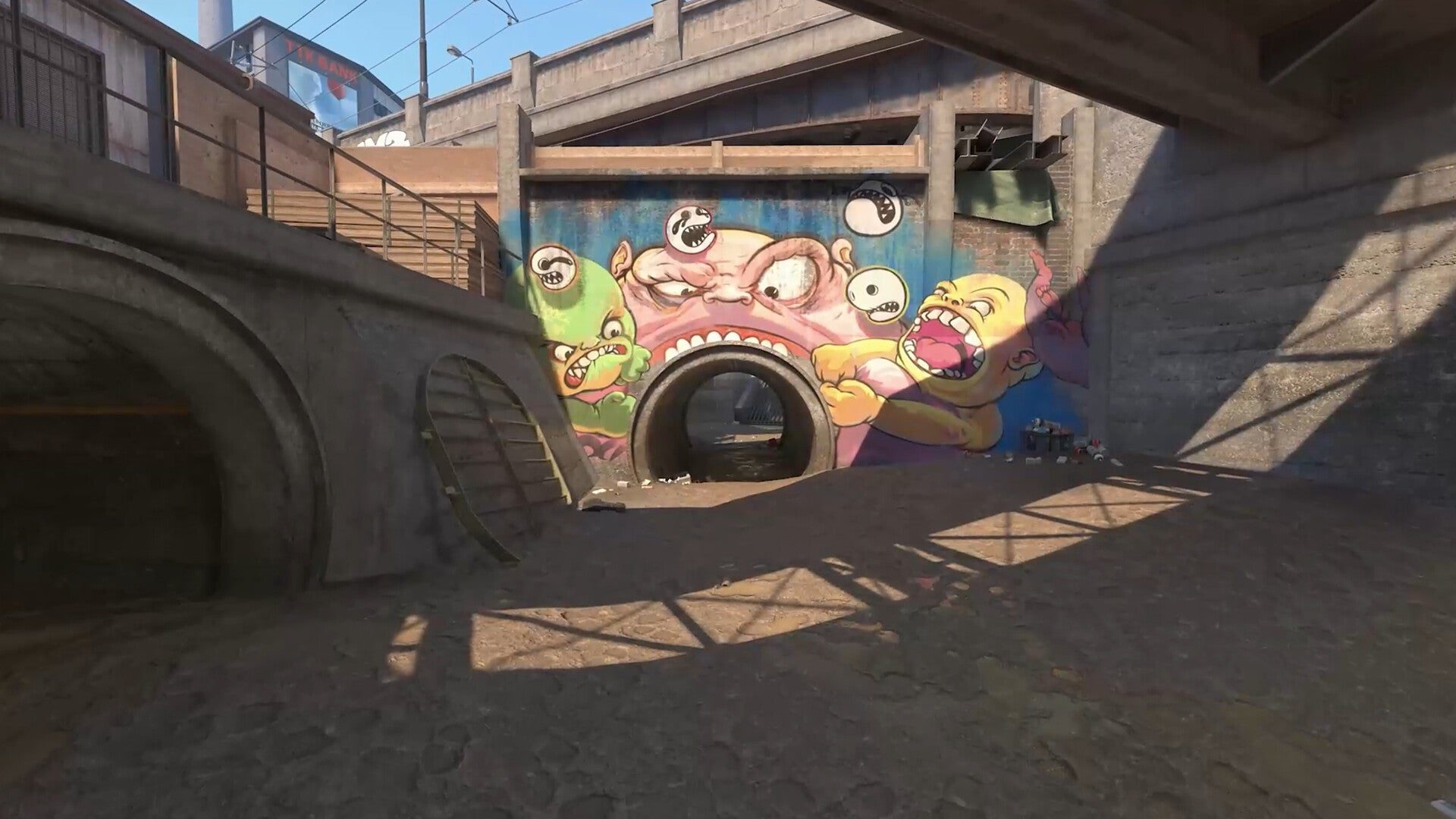
Counter-Strike 2 in 2026 continues to evolve through patches that touch weapons, economy, smokes, collision meshes, and the Active Duty map pool. Playing last season's defaults costs rounds before aim is tested — especially in Premier, where veto and utility timing punish players who skip patch notes.
This pillar overview tracks the major meta themes affecting ranked and Premier in 2026: map pool rotation context, weapon and economy balance trends, smoke and utility patches, how pro scene defaults filter to everyday lobbies, and a structured adaptation routine so update days become practice days instead of loss streaks. Read official changes first on the Counter-Strike news feed — forum summaries miss number tweaks that change force-buy thresholds.
For map-specific veto prep, see the 2026 map pool update. For CS Rating and hidden MMR behavior, read the ranking system guide. New players should lock fundamentals via the beginner's guide before chasing pro-level utility stacks.
Quick answer: 2026 CS2 meta themes
- Map pool flexibility beats one-map queue — track rotations on counter-strike.net/news.
- Rifle meta stays AK/M4 centric; pistol and SMG eco rounds still swing halves.
- Utility depth rewarded — re-test smokes after every patch per grenade mechanics.
- AWP value unchanged: positioning and utility before wide peeks.
- Pro defaults reach ranked within 2–4 weeks of Majors and pool changes.
- Wait 48 hours after major patches before serious Premier grind — lineups break first.
Key takeaways
- Patch days shift smoke lineups before spray feel — re-test utility before ranked.
- Map pool rotations change veto math faster than weapon tweaks change duels.
- Economy discipline separates ranks more than one new smoke lineup.
- Pro utility stacks filter to ranked defaults within weeks — prep early.
- Premier CS Rating moves on round wins — meta knowledge converts to rating through decisions.
- Three-map rehearsed pools beat meta-chasing every new lineup on Reddit.

Table of contents
- Key takeaways
- 2026 meta landscape: what actually changed
- Map pool and veto meta shifts
- Weapon balance trends in 2026
- Economy and buy meta
- Smoke and utility patches
- Pro scene trends filtering to ranked
- Premier vs Competitive meta split
- Patch-day adaptation checklist
- Practice routines that survive meta shifts
- Long-term meta tracking habits
- Frequently asked questions
- Conclusion
2026 meta landscape: what actually changed
CS2 meta in 2026 is not one weapon buff — it is a stack of systems: Source 2 smoke rendering, seasonal map rotations, subtick hit registration feel, and economy tuning that shifts force-buy windows. Players who only watch aim highlight reels miss half the ranked equation.
The competitive layer splits into three speeds. Weekly hotfixes adjust crashes and minor collision bugs. Monthly patches tune weapons, economy numbers, and smoke behavior. Seasonal updates rotate Active Duty maps and occasionally reshape default pro strategies. Track all three on counter-strike.net/news — not just the headline tweet.
| Update type | Typical frequency | Ranked impact | Player response |
|---|---|---|---|
| Hotfix | Weekly | Low — stability and clip fixes | Verify game files if crashes |
| Balance patch | Monthly | Medium — weapons, economy, smokes | Re-test smokes + DM spray feel |
| Seasonal / Major | 2× per year | High — map pool + meta reset | Reset map pool practice plan |
| Client performance | Varies | Medium — stutter, shaders | Rebuild shader cache; check FPS guides |
Meta literacy is a ranked skill. The player who reads patch notes and runs one empty-server smoke test climbs faster than the player who queues instantly to "feel" changes on teammates' dime. Cross-link map rotation details in the map pool update guide whenever seasonal announcements drop.
Map pool and veto meta shifts
Map pool changes are the highest-leverage meta event for Premier players. Weapon tweaks move TTK fractions; map rotation moves veto chains, pick comfort, and which smokes you must know cold. When Train enters or Vertigo leaves, ranked lobbies redistribute — teams that casual-queued the incoming map gain pick advantage overnight.
2026 veto meta favors three-map specialists over seven-map generalists at equal hour counts. Anchor Dust2 and Mirage depth, add one rotating map per season, and ban honestly until flex maps are rehearsed. Solo queue players who auto-ban vertical maps without learning any vertical map shrink their own pick options.
| Map category | 2026 veto trend | Ranked behavior | Prep link |
|---|---|---|---|
| Anchors (Dust2, Mirage) | Rarely banned; high pick rate | Fast queue; known defaults | Dust2 / Mirage |
| Utility (Inferno, Overpass) | Stack pick when rehearsed | Execute-heavy; AWP lanes | Inferno smokes / Overpass |
| Vertical (Nuke, Vertigo) | Early ban in solo queue | Role-dependent; sound critical | Nuke / Vertigo |
| Rotating (Ancient, Anubis, Train) | Specialist pick or ban | Chaos first 2 weeks post-rotation | Ancient / Train |
Map meta and weapon meta interact. Utility-heavy maps gain value when smoke patches make lineups more reliable; open maps gain value when AWP economy stays stable. Read both layers — the Premier mode guide covers veto coordination when map and patch changes collide.
Weapon balance trends in 2026
Rifle meta in 2026 remains AK-47 versus M4A1-S/M4A4 centric. Valve fine-tunes accuracy, armor penetration, and tagging speed more often than raw damage — the feel change shows up in first-bullet tap consistency and moving inaccuracy, not killfeed drama.
SMGs stay relevant on anti-eco and force rounds. Pistol upsets — Deagle one-taps, Glock bursts, USP headshots — still swing pistol-round economy into round three advantages. AWP meta stays pick-heavy: wide peeks without utility punish harder as smoke behavior stabilizes in Source 2.
| Weapon class | 2026 trend | Ranked implication | Practice focus |
|---|---|---|---|
| AK-47 / M4 | Stable role; minor accuracy tuning | Spray transfer still wins rounds | Recoil control daily drill |
| AWP | Pick-heavy; economy sensitive | Utility before angle; no hero wide swings | Off-angle timing after team flash |
| SMG (MP9, MAC-10) | Strong anti-eco | Force buys when expected | Close-range tracking warmup |
| Pistols | High swing potential on eco | Respect force rounds round 2–3 | Pistol DM 10 min pre-ranked |
| Shotguns / Negev | Niche; map dependent | Vertigo/Nuke close angles only | Skip unless maining role |
Economy and buy meta
Economy meta moves slower than Twitter claims. Armor price, loss bonus, and round-loss streak thresholds shift force-buy and save decisions across halves. Teams that full-buy on round 3 after losing pistol plus follow-up still throw halves — meta knowledge here is pure round-win rate.
2026 ranked rewards disciplined save chains and coordinated force buys. Solo queue players who force every round after one kill inflate team economy variance. Stack players who call save at round 4 instead of round 6 recover faster after pistol losses.
- Track loss bonus — know when team buy is viable after two consecutive losses.
- Anti-eco rounds (round 2 vs loss bonus) deserve SMG buys when expected.
- AWP economy: one AWP per half max in solo queue unless star fragger.
- Force-buy only with utility — naked force loses to stacked CT setups.
- Full economy breakdown: economy guide — essential for meta adaptation.
Economy mistakes look like aim problems in review. Before blaming meta patches for rating loss, check whether three rounds in the half were unwinnable buys. The ranking system guide emphasizes round wins — economy discipline is the fastest round-win lever that survives every weapon patch.
Smoke and utility patches
Source 2 smokes behave differently from CS:GO — they bloom in real time, gaps close as volume fills, and molotov spread interacts with new collision meshes after map updates. Valve continues tuning smoke rendering and grenade physics in 2026 patches; lineup videos from last month lie without re-testing.
After every utility patch listed on counter-strike.net/news, verify five lineups: Inferno banana, Mirage window and connector, Dust2 long and cross, and one map-specific smoke on your flex pick. Fifteen minutes empty server beats one ranked loss from a failed execute.
| Utility type | Patch sensitivity | Re-test priority | Reference |
|---|---|---|---|
| One-way smokes | High — rendering changes | First after any smoke patch | Grenade mechanics |
| Molotov spread | Medium — collision updates | Choke points on updated maps | Inferno smokes |
| Flash pop timing | Low — rarely patched | Entry executes only | Flashbang guide |
| HE damage | Low–medium | Default damage spots | Patch notes numbers |
| Decoy | Low | Skip unless pro meta shifts | Optional |
Utility meta is map meta. When Ancient enters rotation, pro teams publish new smokes within days — ranked lobbies copy the zones even if timing is sloppy. Learn zones first, perfection second. The map pool update guide lists which maps need utility refresh each season.
Pro scene trends filtering to ranked
Professional CS2 sets the template ranked lobbies slowly copy. Major Swiss stage pick rates reveal which maps teams trust; demo review shows which smokes and defaults appear round one. Within two to four weeks, those defaults appear in Premier — sometimes mangled, but recognizable.
2026 pro meta themes that reach ranked: structured B splits on Mirage, bathroom control on Overpass, outside yard pressure on Nuke, and fast mid takes on Ancient. You do not need five-man strat books — extract one T opener, one CT setup, and one retake per map from a single HLTV demo.
- After each Major, note maps above 15% pick rate in elimination stage.
- Download one demo per high-pick map; watch rounds 1, 8, 16 only.
- Add one pro smoke lineup per map to empty-server routine.
- Compare pro pace to ranked — ranked is 20–30% slower; delay timings accordingly.
- Share one default call with stack before Premier queue.
Premier vs Competitive meta split
Premier and Competitive share weapons and patches but diverge in map selection pressure. Premier veto exposes map-pool gaps; Competitive map vote hides them behind randomness. Meta adaptation in 2026 should prioritize Premier if you track CS Rating — map and utility meta hit harder there.
Competitive players feel weapon patches equally but map pool meta less acutely until they queue Premier. Both modes benefit from post-patch smoke re-testing and economy discipline.
| Factor | Premier | Competitive |
|---|---|---|
| Map pressure | Full veto — prep required | Map vote — less targeted |
| Rating visibility | CS Rating every match | Skill group badge — slower feedback |
| Meta leverage | High — veto + utility | Medium — weapon/eco focus |
| Best guide | Premier mode guide | Ranking system |
| Patch-day rule | 48h casual before ranked | 24h DM before ranked acceptable |
If you play both modes, sync practice to Premier needs — Competitive becomes easier when map pool and utility are already rehearsed. New players calibrating should read the beginner's guide before Premier calibration games where meta gaps cost triple rating swings.
Patch-day adaptation checklist
Major patches ship late in the week. Ranked grinders who queue within an hour feed rating to players who read notes first. Use this checklist when counter-strike.net/news posts a balance or map update.
| Step | Action | Time | Skip if... |
|---|---|---|---|
| 1 | Read full patch notes — numbers, not headlines | 10 min | Hotfix is crash-only |
| 2 | Verify game files in Steam | 5 min | Never skip |
| 3 | Re-test 5 primary smokes on main map | 15 min | Crash-only hotfix |
| 4 | Deathmatch spray feel check | 10 min | No weapon changes listed |
| 5 | Casual game on affected map | 25 min | Map pool unchanged |
| 6 | Update veto ban doc with stack | 5 min | Solo queue only |
| 7 | Premier queue when checklist done | Ranked | Any utility step skipped |
Forty-eight hours after major patches, ranked lobbies stabilize — lineups are re-tested, force-buy habits adjust, and veto returns to skill-based outcomes. Queueing hour one is optional chaos; queueing day three without re-testing is voluntary rating loss.
Practice routines that survive meta shifts
Meta changes should alter your practice schedule, not your identity. Keep sens, crosshair, and main maps stable; rotate one drill block after patches to absorb changes. Chasing every Reddit lineup weekly destroys muscle memory.
- Daily: 10 min aim + 5 min spray — unchanged through patches.
- Post-patch: 15 min smoke re-test on main map — grenade mechanics timing.
- Weekly: one pro demo on current Active Duty map — see map pool guide.
- Weekly: one demo review of your closest ranked loss — decision errors beat meta excuses.
- Monthly: reset flex map casual grind when rotation rumors appear on official news.
| Player level | Post-patch focus | Ignore until stable |
|---|---|---|
| New (< 100 ranked games) | Anchor one map; economy basics | Pro strats, seven-map pool |
| Intermediate | Second map + 3 smokes per site | Niche boost spots from Twitter |
| Advanced Premier | Veto doc + flex map demo review | Weapon skin distractions |
| Stack IGL | Coordinate patch-day comms and bans | Solo hero entry every round |
Practice routines connect meta knowledge to CS Rating. The ranking system guide round-win framework turns smoke re-tests and economy calls into measurable rating movement — meta without execution is trivia.
Long-term meta tracking habits
Meta literacy compounds. Players who spend five minutes weekly on official sources outperform players who binge patch content once per season. Build a low-friction tracking habit that survives busy weeks.
- Bookmark counter-strike.net/news — read before Saturday ranked sessions.
- Follow one map pool article refresh per season — map pool update 2026.
- Note patch dates in a notes app; re-test smokes same day when utility changes.
- Watch one pro match per month on your weakest Active Duty map.
- Avoid queueing ranked within 1 hour of major patch deploy — let lineups settle.
- Teach one teammate one post-patch change — teaching locks memory faster than solo reading.
Frequently asked questions
How often does CS2 update in 2026?
Hotfixes can ship weekly; balance patches monthly; map pool and seasonal changes typically twice per year around Majors. Track everything on counter-strike.net/news rather than relying on social media summaries that miss number changes.
Do meta changes affect casual players?
Yes. Smoke rendering, weapon feel, and map pool rotations affect all modes. Casual players feel patches less in veto pressure but still need smoke re-tests and spray checks. Fundamentals from the beginner's guide matter more than pro strats at low ranks.
Where are official CS2 patch notes?
The Counter-Strike news feed and Steam CS2 hub list official changes. In-game notifications highlight major deployments. Read full notes — tweet threads skip economy and inaccuracy numbers that change ranked buys.
What is the biggest meta shift in 2026 so far?
Map pool rotation pressure on Premier combined with stabilized Source 2 smoke behavior. Teams with three-map depth and rehearsed utility climb; one-map specialists lose veto chains. Details live in the map pool update guide.
Should I change sensitivity after a patch?
No — unless input system changed (rare). Weapon feel shifts are subtle; changing sens mid-adaptation destroys spray muscle memory. Run deathmatch to adjust tap timing; keep sens locked 30 days minimum per recoil control guide advice.
How long until pro meta reaches my rank?
Two to four weeks after Majors or map pool changes. High-rank lobbies adopt faster; Gold–MG ranks see simplified versions of pro defaults within a month. One demo review per map keeps you ahead of average lobby utility.
When is it safe to queue Premier after a patch?
After completing the patch-day checklist: verify files, re-test primary smokes if utility changed, and run deathmatch if weapons changed. For major patches, 48 hours lets lineups settle. See Premier mode guide for calibration-specific caution during placement windows.
Conclusion
2026 CS2 meta rewards players who read official patch notes, re-test utility, and maintain map-pool depth — not players who queue instantly or chase every Reddit lineup. Weapon balance stays rifle-centric; economy and smoke patches move ranked more than highlight-reel flick meta.
Build a patch-day habit, track map rotations via the map pool update guide, and connect meta knowledge to round wins through the ranking system guide and Premier mode guide. Meta literacy converts to CS Rating when practice follows — not when patch notes are bookmarked and ignored.